
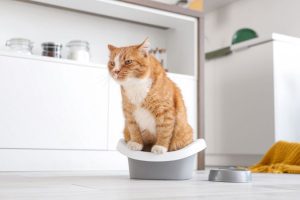
As a cat owner, selecting the best cat litter can be a daunting task with so many options available. This article breaks down four popular types of cat litter—bentonite, biodegradable varieties, tofu litter, and millet litter—exploring their descriptions, advantages, and disadvantages to help you make an informed choice.
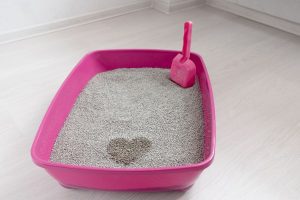
1. Bentonite Cat Litter
Bentonite cat litter, made from natural clay, is one of the most commonly used types of cat litter. It’s known for its excellent clumping properties, which make daily cleaning easier.
Description
- Material: Natural bentonite clay.
- Features: Expands upon contact with liquid, forming solid clumps.
- Options: Available in scented, unscented, hypoallergenic, and low-dust varieties.
Advantages
- Strong Clumping Action: Makes scooping and maintaining cleanliness simple.
- Effective Odor Control: Locks in odors effectively, especially in multi-cat households.
- Affordable and Accessible: Widely available in most stores at reasonable prices.
- Low Tracking: Heavier than other litters, reducing the mess around the house.
Disadvantages
- Non-Biodegradable: Contributes to landfill waste and isn’t eco-friendly.
- Dusty: Traditional bentonite litters can generate dust, which may irritate sensitive cats or owners.
- Environmental Impact: Strip mining for bentonite can disturb natural ecosystems.
- Heavy: Difficult to transport and pour due to its weight.
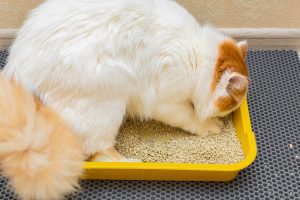
2. Types of Biodegradable Cat Litter
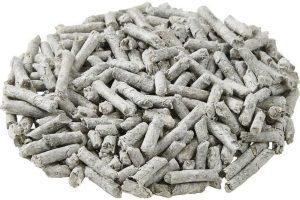
Biodegradable cat litter is made from natural, renewable materials, making it an eco-friendly alternative to clay-based litters. Popular types include corn, wheat, pine, coconut husk, and recycled paper.
Descriptions
- Corn-Based: Made from ground corn, known for its clumping ability and natural odor control.
- Wheat-Based: Derived from ground wheat, it clumps naturally and neutralizes odors with enzymes.
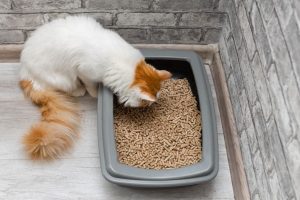
- Pine-Based: Made from compressed sawdust or shavings, offering a natural wood scent.
- Coconut Husk: Crafted from coconut fibers, it is lightweight and absorbent.
- Recycled Paper: Made from processed newspaper or cardboard, available in soft pellets.
Advantages
- Eco-Friendly: Compostable and made from renewable resources.
- Low Dust: Many biodegradable options are hypoallergenic and produce minimal dust.
- Variety: Offers different textures, scents, and features to suit your cat’s preferences.
Disadvantages
- Non-Clumping Options: Some biodegradable litters don’t clump, requiring full-box changes more often.
- Tracking: Lightweight types (like paper or coconut) may track around the house.
- Cost: Some options, like coconut or grass seed litter, are more expensive.
- Odor Control: Not all biodegradable litters control odors as effectively as clay-based options.
3. Tofu Cat Litter
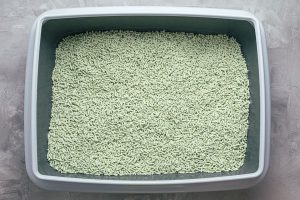
Tofu litter, made from soybean residue, is a relatively new entrant to the litter market. It’s gaining popularity for its clumping ability, soft texture, and biodegradable nature.
Description
- Material: Soybean by-products or residue from tofu production.
- Features: Naturally clumps and is lightweight yet absorbent.
Advantages
- Biodegradable: Compostable and eco-friendly, making it an excellent choice for sustainability.
- Flushable: Breaks down in water and is safe for flushing in small amounts.
- Soft Texture: Comfortable for cats, including kittens or those with sensitive paws.
- Low Dust: Produces minimal dust, making it suitable for households with allergies.
Disadvantages
- Cost: Tofu litter can be more expensive than traditional clay options.
- Availability: May not be as widely available as bentonite or other mainstream litters.
- Tracking: Its lightweight nature can result in some tracking outside the litter box.
4. Millet Cat Litter
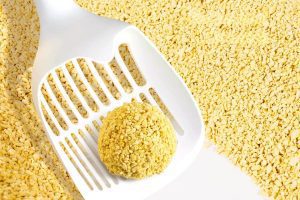
Millet litter is the latest innovation in cat litter technology. Made from natural millet grains, it offers exceptional clumping and odor control while being completely biodegradable.
Description
- Material: Natural millet grains.
- Features: Lightweight, clumps quickly, and provides excellent moisture absorption.
Advantages
- Eco-Friendly: 100% biodegradable and compostable.
- Strong Clumping: Quickly absorbs liquid and forms firm clumps for easy scooping.
- Odor Control: Effectively traps odors, keeping the litter box fresh.
- Flushable: Can be safely flushed in small amounts.
- Low Dust: Gentle on cats with respiratory sensitivities.
Disadvantages
- Cost: As a newer product, millet litter tends to be more expensive.
- Limited Availability: Not as widely available as traditional or other biodegradable litters.
- Tracking: The lightweight nature of millet grains can result in minor tracking around the box.
Discover our premium Tofu Litter – click here to learn more!
Which Litter is Right for You?
- For Budget-Conscious Owners: Bentonite litter offers excellent clumping and odor control at a lower cost.
- For Eco-Friendly Choices: Biodegradable litters like corn, wheat, or pine are sustainable options.
- For Cats with Allergies: Tofu or millet litter is low-dust and gentle on sensitive paws or respiratory systems.
- For Modern Trends: Millet litter provides cutting-edge technology with superior clumping and odor control.
Each type of litter has its pros and cons. Consider your cat’s preferences, environmental concerns, and budget to make the best choice for your furry friend.

