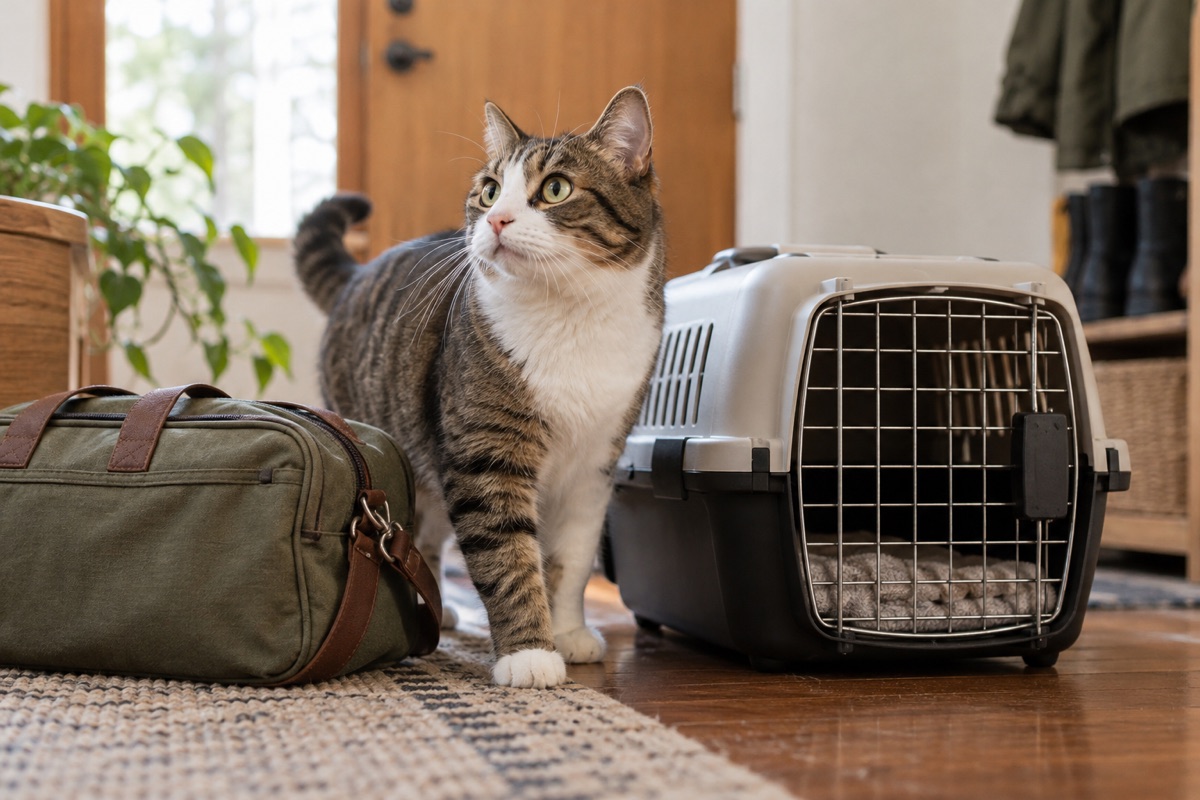

Planning a getaway but wondering how your cat will cope while you’re away? A little preparation can make the experience easier for both of you. Whether you’re booking a cat hotel in Kuala Lumpur or exploring options elsewhere in Malaysia, this cat boarding checklist will help you ask the right questions, pack the essentials and prepare your feline friend for a more comfortable stay.
1. Find a boarding place that suits your cat
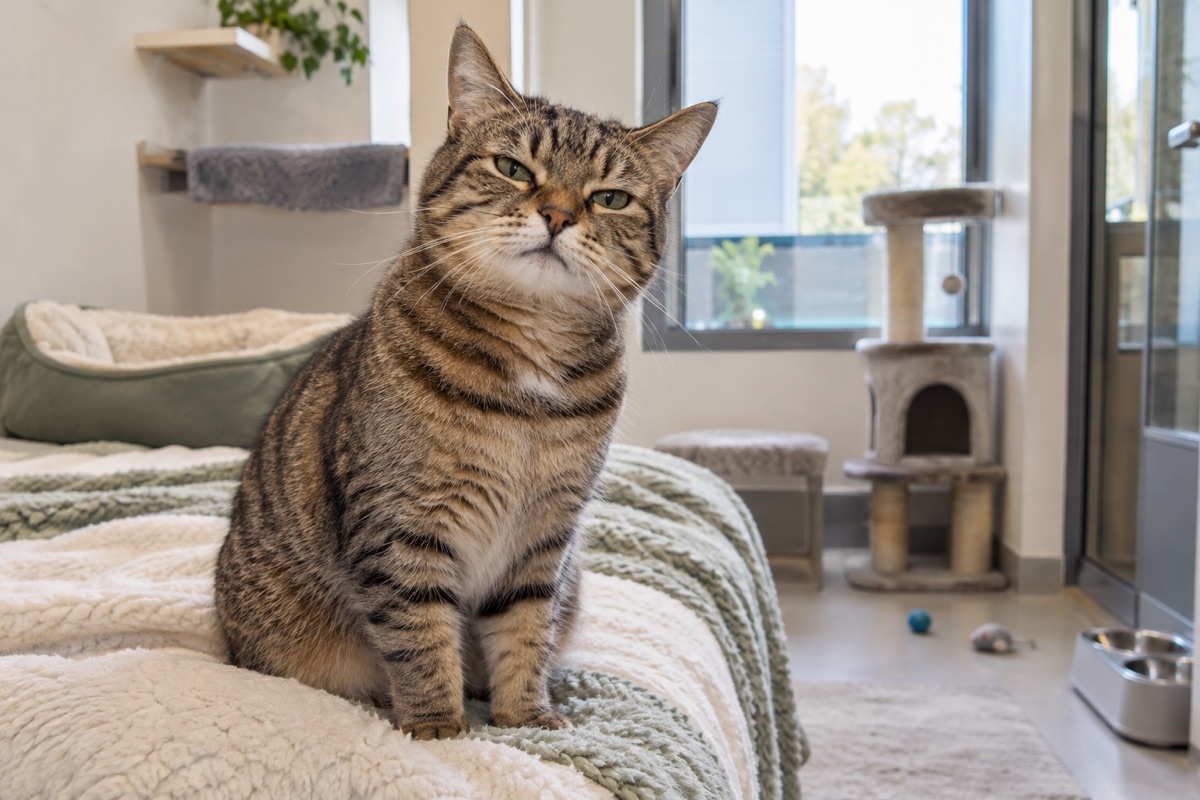
Every cat has a different personality. Some settle into new surroundings quickly; others are happier being cared for at home by a trusted sitter. Consider your cat’s age, health, temperament and past experiences before deciding.
If boarding feels like a good fit, contact the facility or arrange a visit before booking. Look for clean, secure spaces with fresh water, a litter area, ventilation and somewhere your cat can hide or rest. Ask how cats from different households are kept apart and what happens if a cat becomes unwell.
It’s also useful to ask:
- How often are cats checked, fed and given fresh water?
- Can staff accommodate your cat’s normal food and routine?
- Can they administer medication if needed?
- What are the check-in and collection times, and what is included in the price?
- How will you receive updates during the stay?
During school holidays and festive periods, plan ahead and check availability early. You can explore cat boarding options on Petopedia and contact the provider to confirm current requirements, availability and pricing.
2. Check health and vaccination requirements
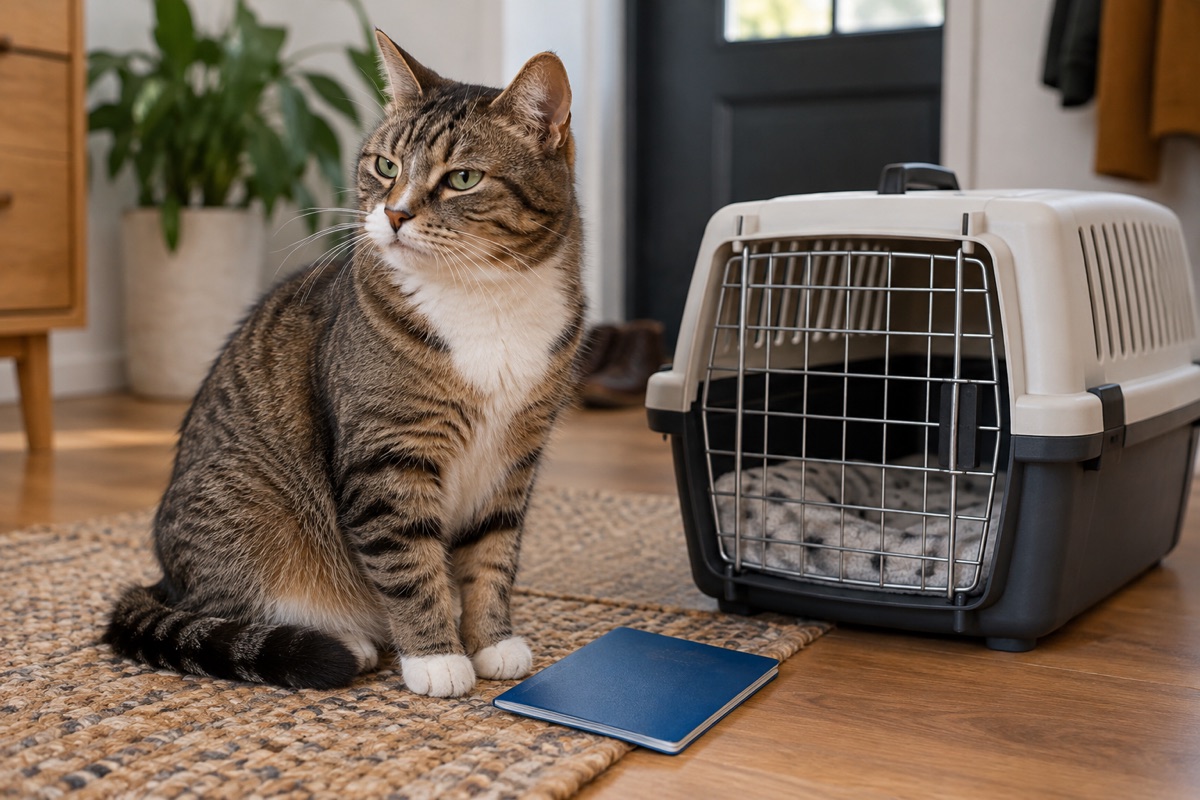
Ask the boarding provider what vaccination records and parasite treatments it requires, and when these need to be completed. Requirements vary, so confirm them before booking rather than assuming every facility follows the same policy.
If your cat has a medical condition, takes medication or has recently been unwell, speak with your vet and the boarding provider before the stay. Give the staff clear written instructions and make sure they agree that they can provide the care your cat needs. Never change medication without your vet’s advice.
3. Help your cat get comfortable with the carrier
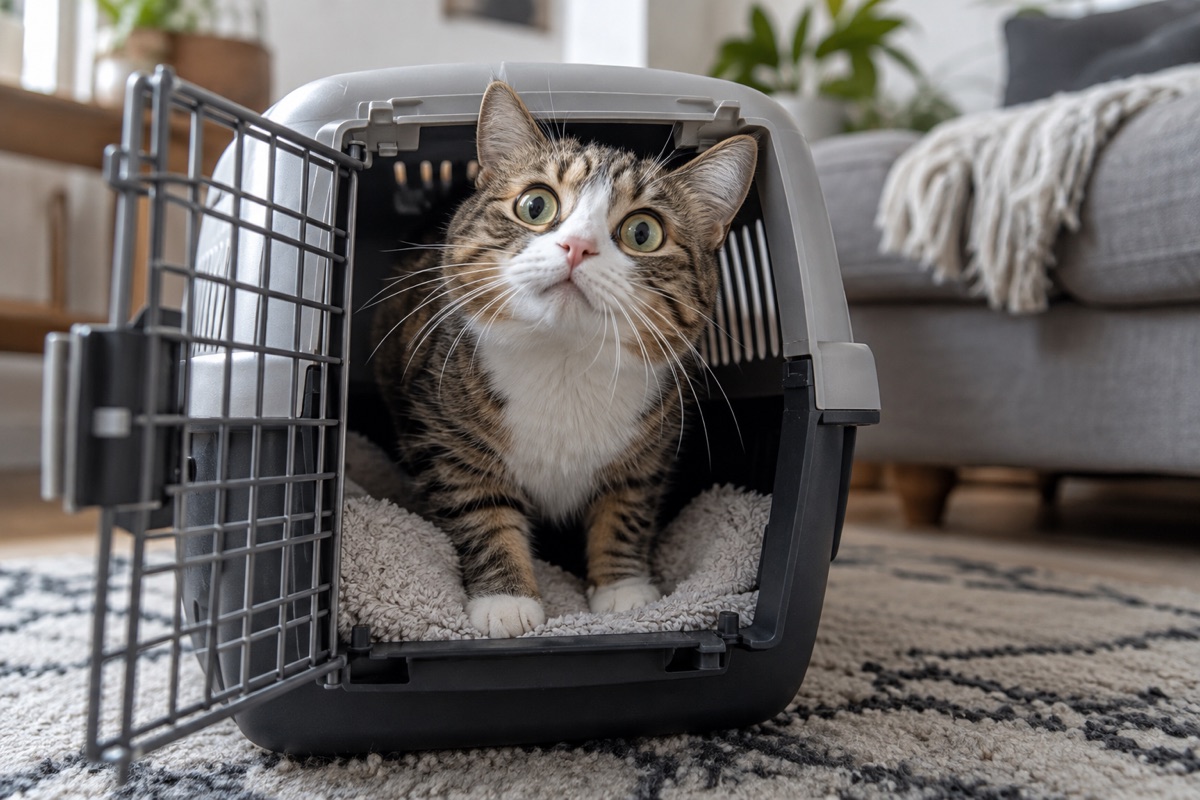
The carrier doesn’t have to appear only when it’s time for a stressful journey. In the weeks before the trip, leave a secure, well-ventilated carrier open in a familiar room. Place a soft blanket inside and let your cat explore at their own pace. A few treats can help build a positive association.
For the journey, check that the carrier closes securely and is large enough for your cat to stand and turn around. Keep your cat safely inside during travel, and never leave them unattended in a parked car.
4. Pack familiar comforts
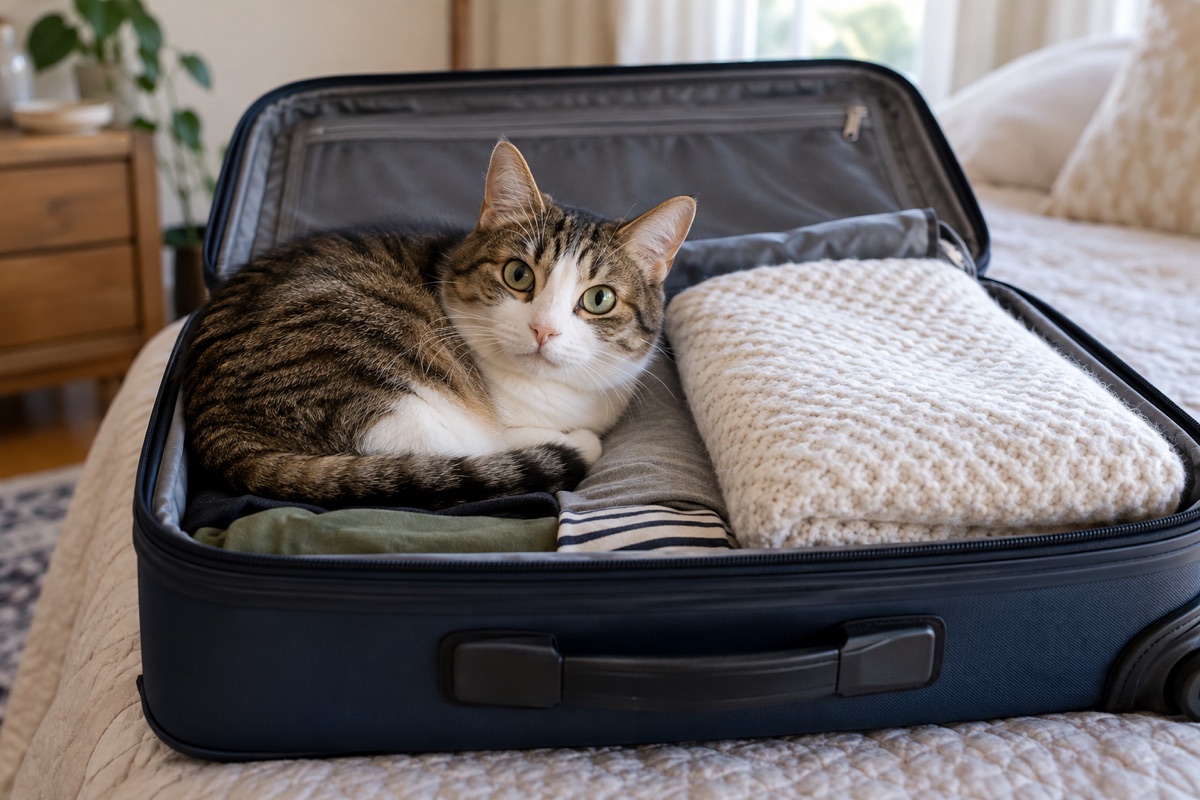
Ask the facility what it accepts, then prepare a clearly labelled bag with:
- Your cat’s usual food and written feeding instructions.
- A familiar blanket or bedding, if permitted.
- A favourite safe toy without loose strings or small detachable parts.
- Medication in its original packaging, with written instructions agreed with the provider.
- Vaccination records and any other documents the facility requests.
- Your contact details, an emergency contact and your vet’s details.
Familiar food and bedding can help maintain some consistency in a new place. Check the provider’s policies first, as some facilities supply their own items or restrict what guests can bring.
5. Share your cat’s little quirks

A good handover goes beyond meal times. Let the team know your cat’s usual routine, favourite hiding places, handling preferences and any behaviours that may indicate stress. Mention food allergies, health concerns and anything else the staff should watch for.
Agree on how the team will contact you if there is a concern, and who can make decisions if you cannot be reached. Ask what changes in appetite or behaviour they will report and how they arrange veterinary care when needed.
6. Make drop-off and pick-up calm
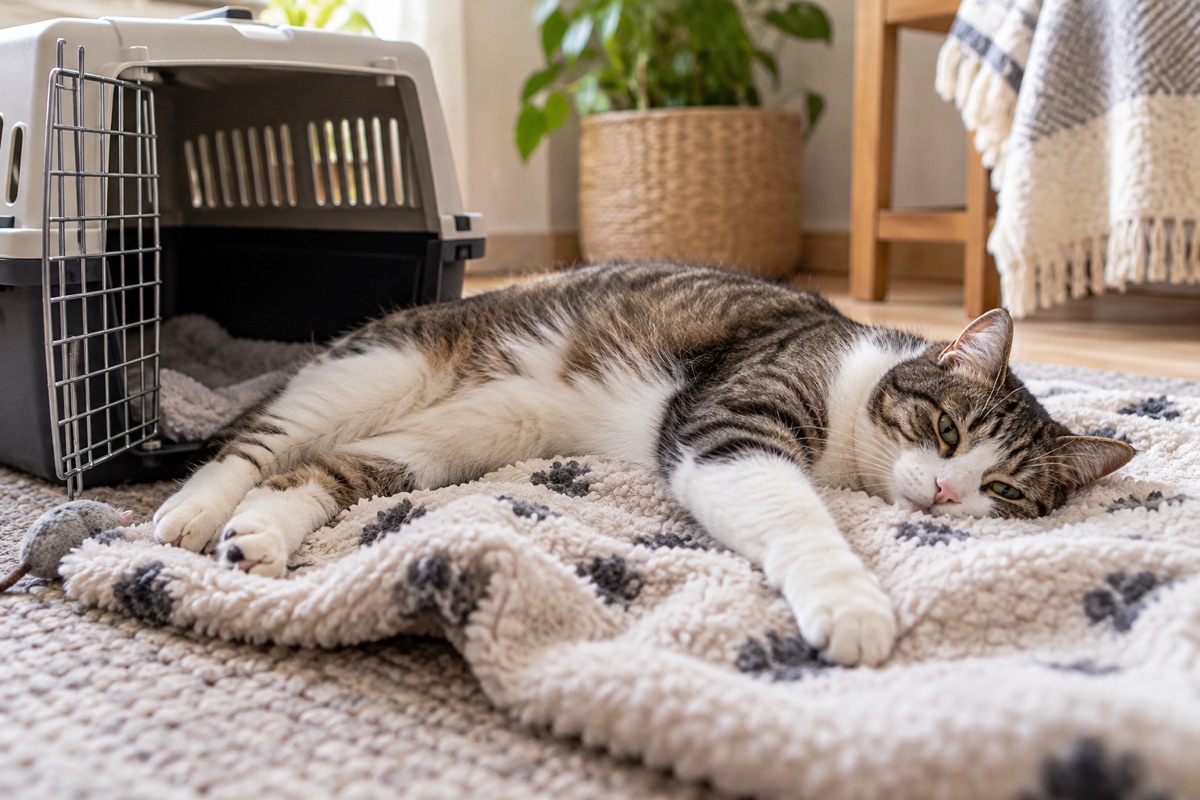
Try to keep your cat’s routine steady before departure and give yourself enough time for a relaxed handover. Once you’re home, provide a quiet space, fresh water and access to the litter tray, then allow your cat to settle at their own pace.
If your cat seems unwell or you’re concerned about their eating, toileting or behaviour, contact your vet for advice. For a cat that finds boarding especially difficult, discuss alternative care arrangements for the next trip.
Ready to plan your cat’s stay?
A little preparation can go a long way towards a smoother experience. Use this checklist to compare your options, confirm the details and pack your cat’s familiar essentials. Browse cat boarding on Petopedia and speak directly with the provider before booking.


Related posts




The True Cost of Owning a Dog or Cat in Malaysia
Thinking of adopting or buying a furry friend? Before you bring one home, it’s important to know how much it really costs to own a dog or cat in Malaysia. From food and vet visits to grooming and emergencies, here’s a realistic breakdown every pet owner should know.